Trip to Sicily
TOURIST GUIDE. Best time to go.
The best time to visit the region is spring, when the cities are not yet oppressively hot, the days are long and the colors of nature offer wonderful scenery. The autumn months are also advisable, while midsummer is suitable for a mainly seaside vacation.
Capital City of Sicily: Places to discover
The face of Palermo is a treasure chest of history and art that shows the memories of all the peoples who have passed through here: Phoenicians, Greeks, Romans, Byzantines, Arabs, Normans, Spanish, Austrians.
The visit of the city can start from the Cathedral which houses in the chapel dedicated to Santa Rosalia the silver urn with the relics of the patron saint of Palermo. The Cathedral is a splendid architectural synthesis of different eras, a happy meeting of the Eastern world with the Western one.
The two main arteries of the four “mandamenti”, the neighborhoods that make up the historic center, are via Maqueda and the ancient “Cassaro”. Today it is called Corso Vittorio Emanuele. They cross perpendicularly giving life to the four different areas.
Walking along the entire Cassaro you arrive at Porta Felice, behind which the sea appears. The streets are a continuous succession of churches, squares, aristocratic palaces, convents. They show all the historical nobility of this city and an impressive architectural wealth.
The monumental complex of the Royal Palace orof the Normans is splendid. There you can admire the rich decorations of the Sala di Ruggero and the Palatine Chapel, commissioned by Ruggero II, recently restored.
The most photographed church in Palermo is San Giovanni degli Eremiti, characterized by five red domes of geometrically squared gray tuff. Next to the church is the Cloister of the Benedictines. Other monuments to admire are the fifteenth-century Palazzo Senatorio and the church of Santa Caterina.
About ten kilometers from the city is Monreale. With its Duomo, from the 12th century, adorned with precious Byzantine mosaics. Among the main museums, the International Puppet Museum “Antonio Pasqualino” is definitely worth a visit. Entirely dedicated to the puppet theatre, and the new Museum of Contemporary Art of Sicily in Palazzo Riso.
Don’t leave Palermo without having breathed the atmosphere of the popular markets. Those of Vucciria, Ballarò, the Capo, animated by lively and authentic colors, smells and voices. Those who want to enjoy a day of swimming and sun in the immediate surroundings of the capital can make a quick stop at the renowned beach of Mondello.
In the opposite direction, from Palermo you can reach Bagheria, the birthplace of Renato Guttuso. Where you can find the elegant villas of many noblemen from Palermo who between the 17th and 19th centuries chose the location as a quiet holiday retreat a few kilometers from the capital.
Places not to be missed in Sicily
In addition to Palermo and Catania, there are many corners of the region that are worth seeing, both for their naturalistic aspects and for their historical and artistic testimonies. The archaeological sites of Segesta, Selinunte and the Valley of the Temples of Agrigento are interesting.
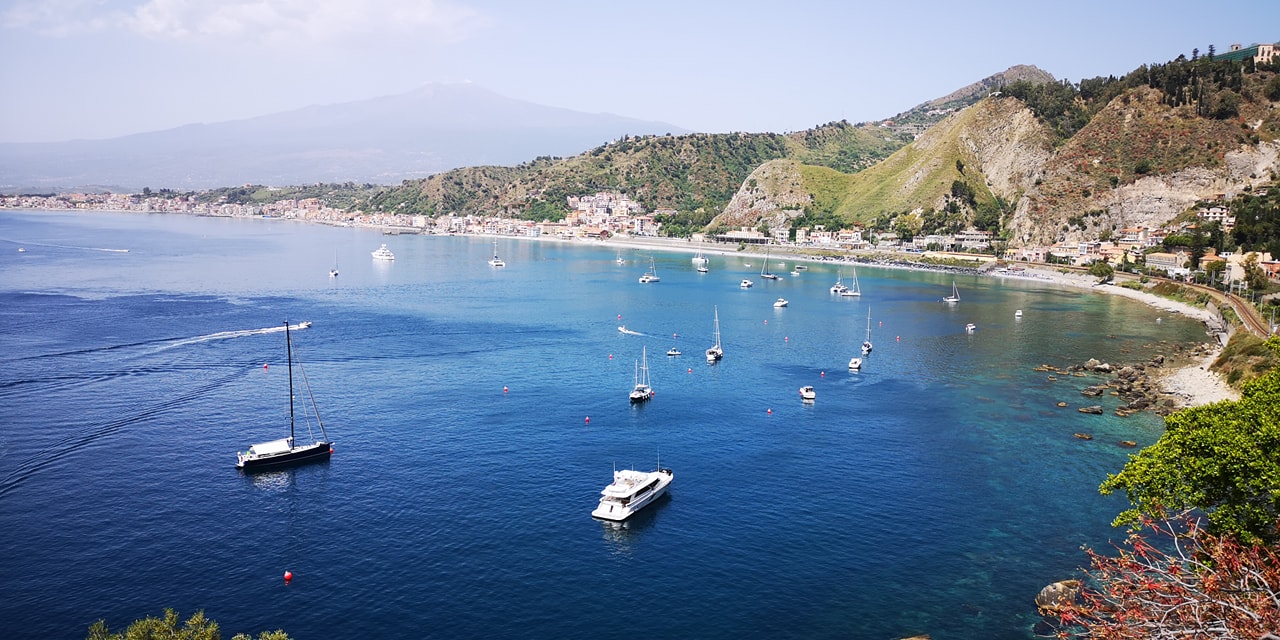
In Piazza Armerina there is the Villa del Casale, famous for its mosaics, in Taormina the Greek Theater. Also Syracuse preserves many vestiges of the Hellenic period. While Noto, Modica and Ragusa are at the center of the area where Baroque architecture represents the main attraction.
But Sicily is also a very popular destination for its food and wine and for its natural beauty.
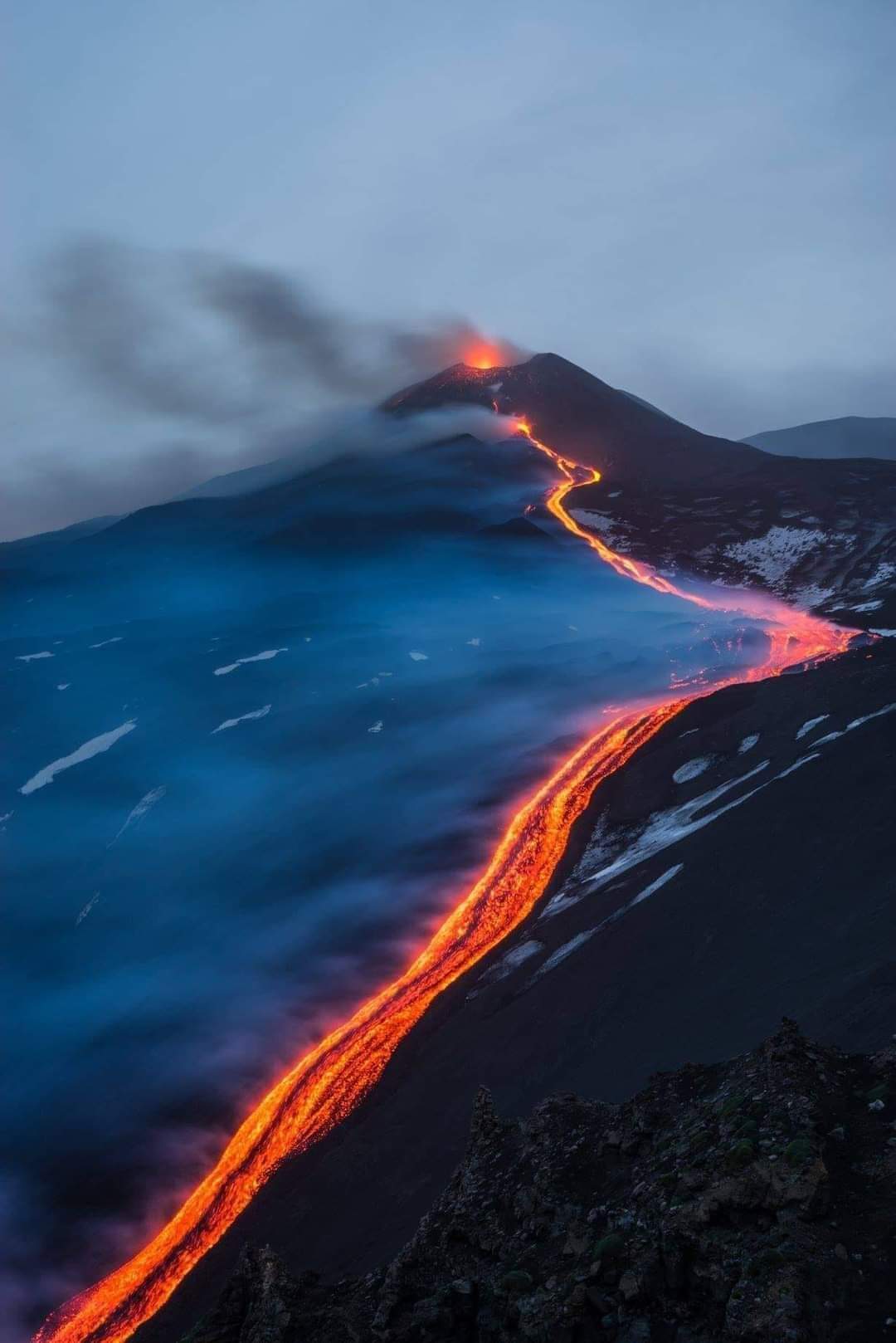
The Etna Park, around the great volcano, offers enchanting scenery, ranging from woods to deserted expanses of lava rock. The sea is another protagonist of Sicilian tourism.
The most beautiful coastlines on the island are probably those of the Riserva dello Zingaro, on the north-western tip, and the Riviera dei Ciclopi, between Aci Castello and Acireale. And then there are the splendid seabeds and beaches of the archipelagos, such as the Egadi, the Aeolian, Pantelleria, Ustica, Lampedusa and Linosa.
Festivals and events
The most important festivals are the religious ones, very present in the folklore of the island. There is practically no city, even a small one, that does not celebrate with grandeur some saint and the main moments of the Catholic calendar.
In Palermo, the Festa di Santa Rosalia has a large following, which ends on the night of July 14 with a large procession accompanied by thousands of faithful who sing songs of devotion.
Equally intense and of great tourist attraction is the procession of Good Friday during the Holy Week in Enna, with a torchlight procession of hundreds of hooded brothers.
Other important religious festivals are those of Sant’Agata in Catania, Santa Lucia in Syracuse, the Living Nativity Scene of Agira, the living procession of the Passion in Marsala.
On the secular side, the Carnival is also celebrated with great resonance almost everywhere. Particularly in Regalbuto, Acireale, Paternò, Sciacca, Termini Imerese. In the Valley of the Temples, the folkloristic Almond Blossom Festival takes place every February. While in mid-August in Piazza Armerina there are challenges between knights in costume of the Palio dei Normanni.
A gastronomic event not to be missed is the Cous Cous Fest in San Vito Lo Capo, in September. In the rich cultural life of Palermo, the seasons of the Teatro Massimo and the Teatro Politeama stand out. And the Festival di Morgana, between November and December, with unmissable performances of the famous “pupi”.
In your suitcase
For him: except in the middle of winter, when you need to bring a few heavy sweaters and a coat. You can travel light: shirts, t-shirts, beachwear. Comfortable shoes and hiking boots if you plan to enter the protected areas of the interior.
For her: in the summer months, you will definitely find yourself in the sea and on the beach. So: swimsuits, sarongs, sunscreen. In addition to sunglasses and a wide-brimmed hat. Tank tops, shorts and sandals for spring and summer. Some cute dresses for going out in the evening, especially in Palermo and Catania. And sportswear for trekking along the slopes of Etna.
What to eat
Sicilian cuisine is among the richest in flavors in the world, based on raw materials that make the difference. It starts with the fish, obviously, which arrives very fresh in restaurants and trattorias directly from the fishermen’s nets: tuna, blue fish, swordfish, shrimp, sea bass. Among the seafood specialties are the sarde a beccafico, pasta with sardines and fish couscous.
Sicilian cuisine has absorbed Spanish, Arab, French customs, but not only. A dish like the famous eggplant caponata, with its characteristic sweet and sour flavor, bears witness to this. Other specialties are pasta alla Norma, arice rancini, eggplant parmigiana, panelle. Desserts are a triumph of pleasure that reaches its peak in cannoli and cassata.
A typical ingredient is the pistachio. Also very popular is the granita, especially the lemon, almond and coffee ones. Sicilian wines are now among the most renowned in the world. In recent years, tourism has grown a lot, linked to the wine routes, which leads to the discovery of the best wineries and the most characteristic wines, such as Moscato and Passito di Pantelleria.
What to buy
In Sicily, you can’t resist the temptation of a gourmet shopping trip, made up of preserves, jams, marzipan, wines and liqueurs. Those who love cured meats can add the salami from black pigs from Nebrodi to their cart. Those with a sweet tooth will instead opt for the martorana fruit or the renowned bars of citrus fruit from Modica.
Then there are some “must” crafts, souvenirs such as Sicilian carts, “pupi” and tambourines. The ceramics are also very beautiful, often inspired by ancient Greek pottery. If you are looking for classic and less typical shopping. You can take a tour of the elegant shops and boutiques of the big names that are found in Palermo in the area of the Politeama Theater, in the area of via Ruggero Settimo.
To read about the destination
For a suggestive series of images and texts on the region you can browse Sicilia (ed. Simephoto) by Alessandro Saffo and Luisa Taliento. To get off the beaten track it is useful to read Sicilia sconosciuto. Itinerari insoliti e curiosi (ed. Rizzoli) by Matteo Collura.
Sicily in the kitchen (ed. Mondadori Electa) collects all the main typical regional recipes, with simple and accurate explanations on how to prepare the dishes. In Gocce di Sicilia (ed. Mondadori), Andrea Camilleri brings to life the genuine images and characters of his homeland.
If you want to know more, visit the site:
http://www.regione.sicilia.it/turismo/web_turismo/